
Blog
KPV Peptide: Potential Benefits, How It Works, and Research Evidence

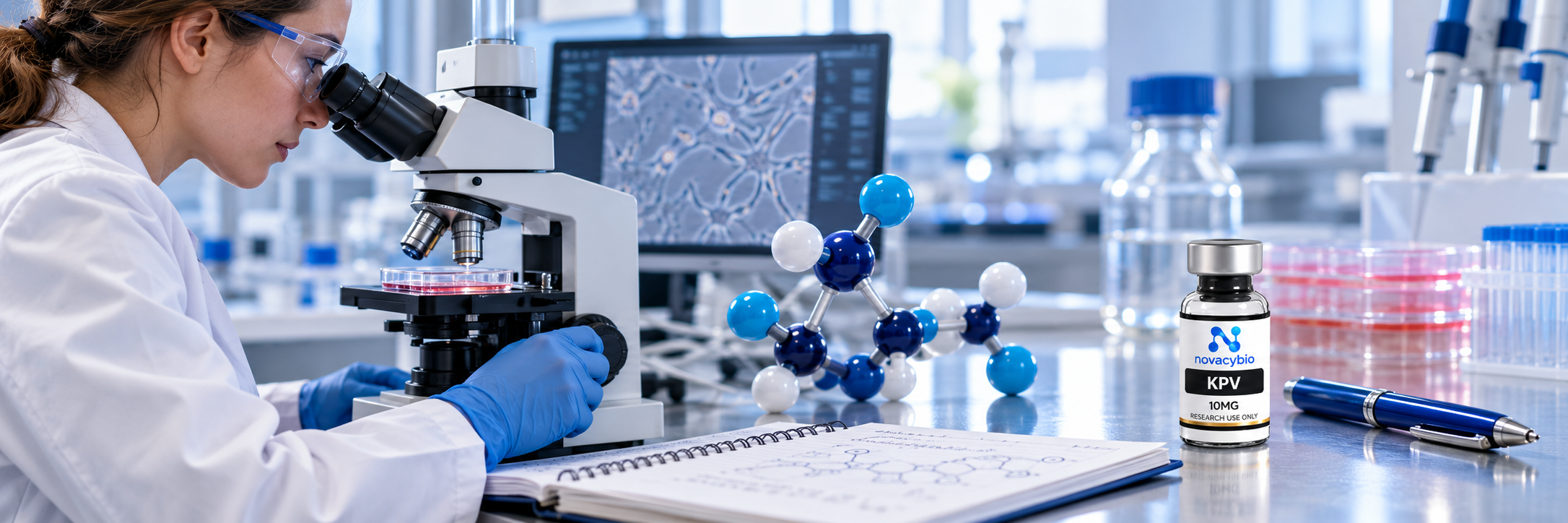
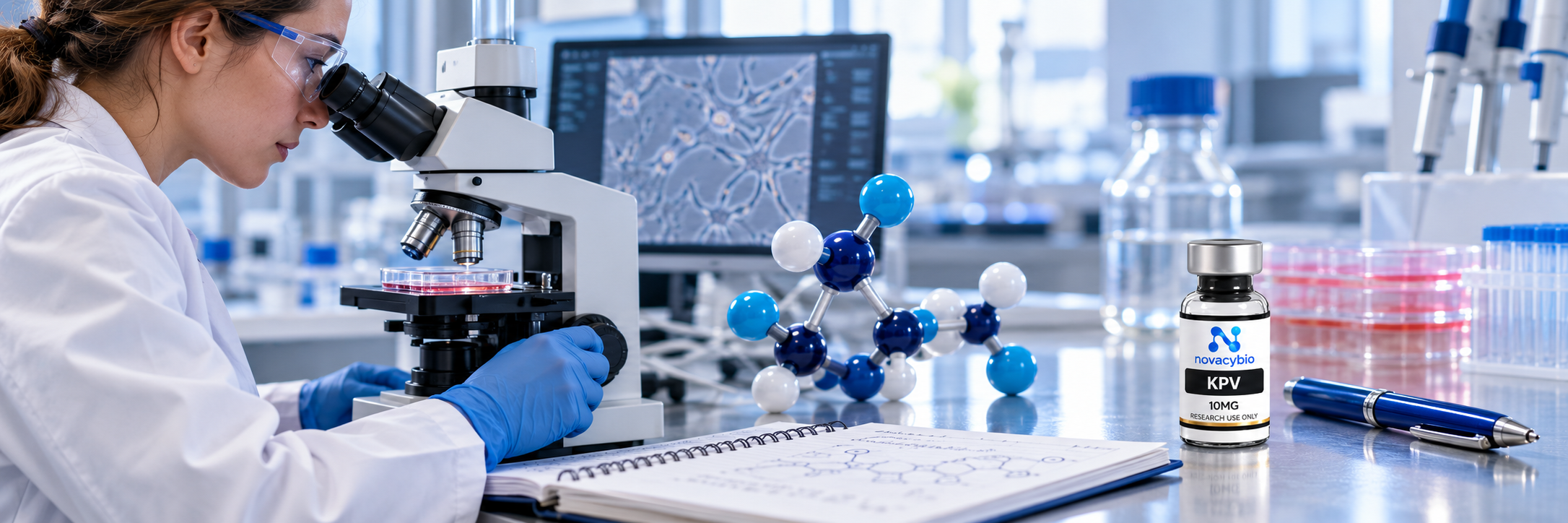
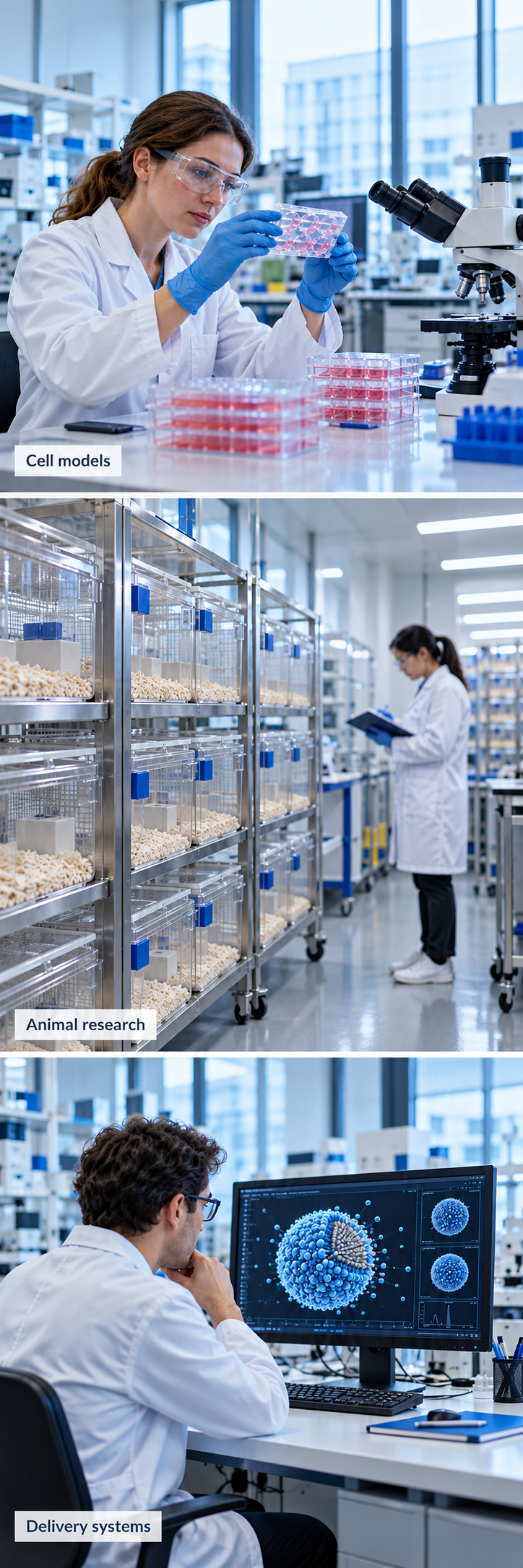
Much of the interest in the KPV peptide comes from a combination of experimental findings: reduced inflammatory signaling in intestinal cells, improved recovery in mouse models of intestinal inflammation, and less damage in skin cells exposed to particulate pollution. These results give researchers concrete reasons to investigate this small peptide. Intestinal cell research, intestinal inflammation study, and skin research.
The most interesting questions concern how these effects happen and whether they can translate into useful clinical outcomes.
This article explores potential KPV benefits, explains the science in straightforward terms, and distinguishes findings about KPV itself from those involving specialized delivery systems.
What Is KPV Peptide?
KPV is a tripeptide, meaning it contains three amino acid residues:
- K: Lysine.
- P: Proline.
- V: Valine.
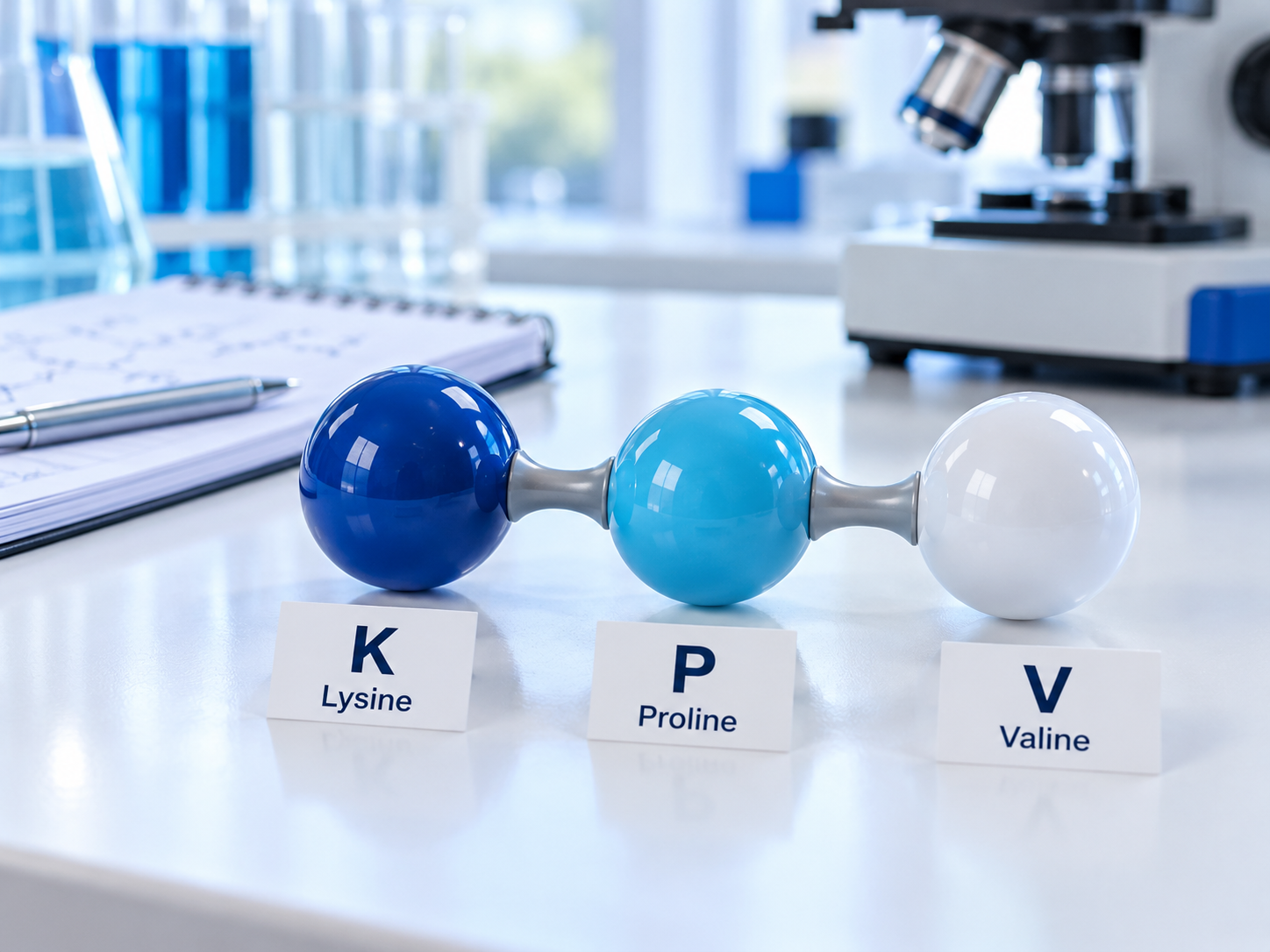
Its sequence corresponds to the final three amino acids of alpha-melanocyte-stimulating hormone, usually abbreviated α-MSH. This relationship explains why publications sometimes describe KPV as α-MSH(11–13).
Researchers investigate whether this short fragment can produce particular biological effects independently of the larger hormone. Experimental work suggests that its anti-inflammatory activity can differ from that of other α-MSH-related peptides. Original comparative study.
Why Does Its Structure Matter?
A peptide does not need to be long to participate in a biological interaction. Its sequence helps determine how it interacts with transport systems and cellular processes.
However, KPV’s small size alone does not establish better absorption, greater stability, or human safety. Sequence modifications, chemical form, and formulation can also change the material being studied.
How Might KPV Work?
Influencing Inflammatory Signaling
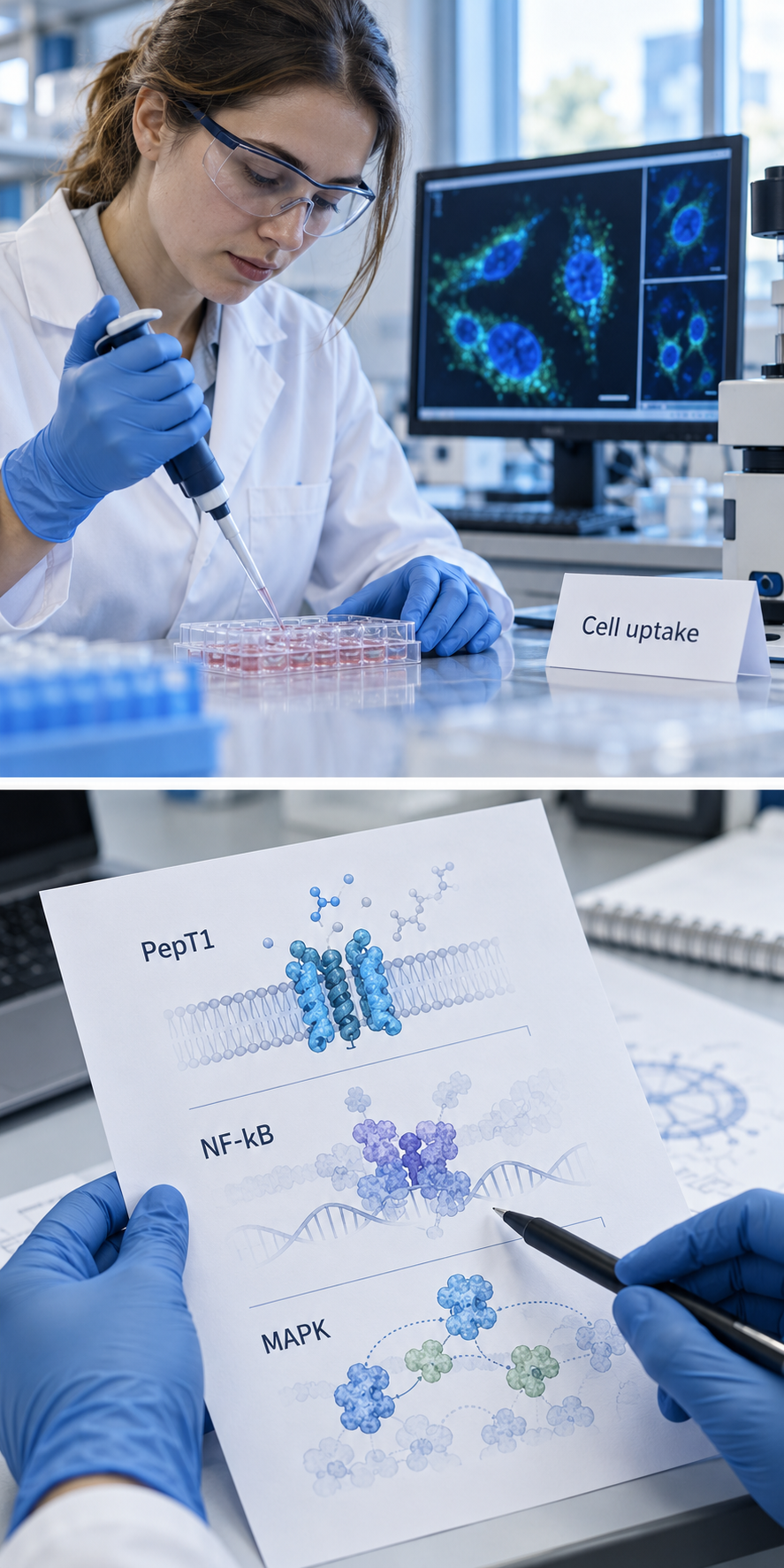
Two pathways frequently discussed in KPV inflammation research are NF-κB and MAPK. These are cellular signaling systems involved in responses to inflammatory stimuli.
In human-derived intestinal epithelial and immune cell lines, researchers found that KPV reduced activation of these pathways and lowered secretion of IL-8, a signaling protein involved in recruiting immune cells.
Entering Cells Through PepT1
The same research identified PepT1, a transporter that carries certain small peptides into cells, as a route for KPV uptake.
This provides a connection between cellular access and the inflammatory changes measured in the experiments. PepT1 and inflammatory signaling study.
Why Experimental Conditions Matter
A result depends partly on how much peptide reaches the relevant cells, the stimulus used, and the outcome measured.
A change in one signaling pathway is useful mechanistic evidence. Tissue recovery or improved function provides a different level of information. Evaluating both helps explain what a study actually demonstrates.
Potential Benefits in Inflammation Research
Reduced Production of Inflammatory Signals
One promising finding is that KPV can reduce inflammatory messages in stimulated cell systems.
The intestinal-cell study measured lower IL-8 secretion alongside reduced NF-κB and MAPK activation. This connects a change inside the cell with a change in the signals it releases.
The potential value is specific: KPV offers researchers a way to investigate whether modifying these responses can limit an inflammatory process. Original cell study.
Reduced Accumulation of Inflammatory Cells in Animal Models
A separate study investigated KPV in mouse models of inflammation within the abdominal cavity. Researchers observed reduced accumulation of inflammatory white blood cells.
This extends the evidence beyond a laboratory signaling measurement to a response within a living animal.
Results also varied by experimental system: KPV did not reproduce every effect of α-MSH in isolated macrophages. That finding helps explain why KPV should be studied as its own compound rather than treated as a smaller version of the parent hormone with identical actions. Comparative inflammation study.
KPV and Gut Health Research
Improved Recovery in Experimental Intestinal Inflammation
The strongest reasons for interest in KPV gut health research include changes in tissue inflammation and recovery.
A study examined KPV in two mouse models: chemically induced colitis and immune-cell-transfer colitis. Researchers reported:
- Earlier recovery and greater regain of body weight.
- Fewer inflammatory cells in colon tissue.
- Lower activity of myeloperoxidase, or MPO, an enzyme used as an indicator of inflammatory-cell activity.
- Reduced inflammatory changes on microscopic examination.
These findings are valuable because they combine biochemical measurements with tissue-level changes and recovery observations. They support further investigation of KPV in intestinal inflammation, while remaining results from experimental disease models. Original mouse colitis study.
Potential Relevance to Intestinal Lining Repair
Another research direction concerns the intestinal lining—the layer of cells separating the contents of the gut from underlying tissues.
A 2017 study investigated KPV-loaded nanoparticles with a hyaluronic acid surface modification. Researchers measured recovery of an experimentally wounded intestinal epithelial cell layer using electrical impedance, a method that tracks changes as the layer recovers.
The formulation accelerated recovery compared with untreated cell layers. It was also studied for delivery and anti-inflammatory effects in a mouse colitis model. Original nanoparticle study.
What This Means for Further Research
The result provides a useful lead for studying epithelial repair, but the material was a designed delivery system containing KPV.
Its performance cannot automatically be assigned to unformulated KPV. Nor does recovery of a laboratory cell layer establish that a product will “repair leaky gut” in people.
The next questions concern how delivery affects tissue exposure and whether the experimental benefits translate into meaningful human outcomes.
KPV and Skin Research
Reduced Inflammatory and Oxidative Injury in Skin Models
Direct KPV skin research provides another set of positive findings.
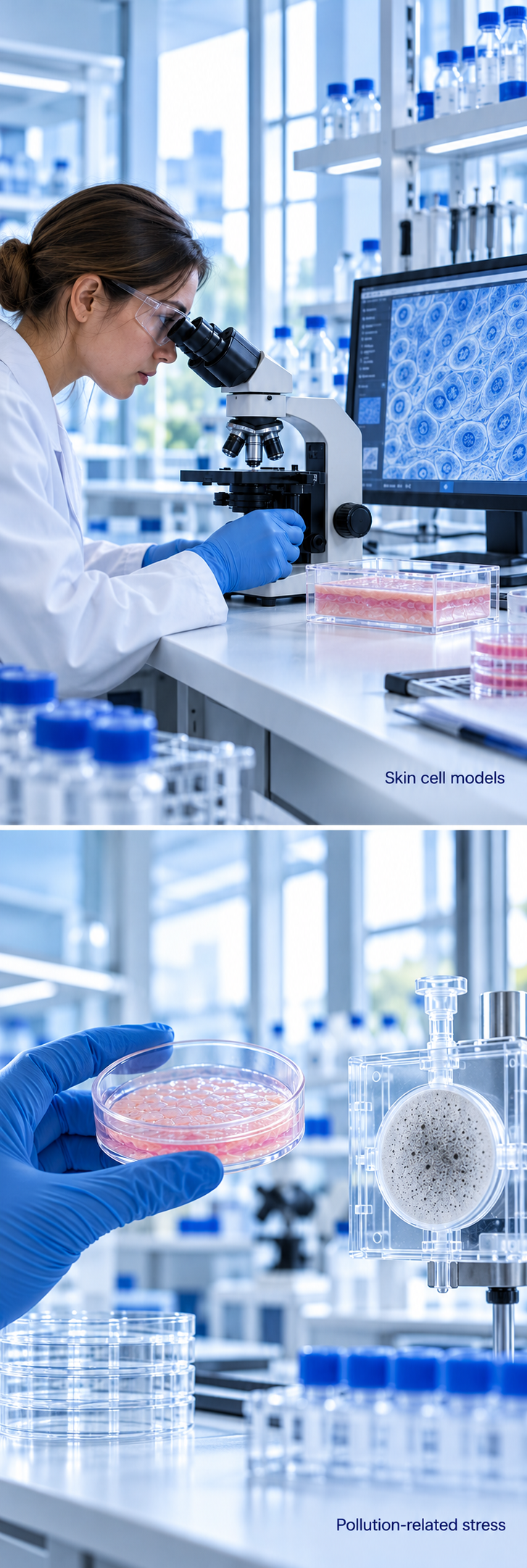
A 2025 study examined human-derived HaCaT keratinocytes, a skin-cell line, exposed to fine particulate matter. KPV treatment was associated with:
- Improved cell viability.
- Reduced production of reactive oxygen species.
- Lower secretion of the inflammatory signal IL-1β.
- Reduced activation of pathways involved in inflammatory cell damage.
The researchers also reported reduced inflammatory cell death in a three-dimensional skin model. Original skin study.
Why These Findings Are Interesting
The study connects KPV with both inflammatory responses and cell survival under a defined environmental stress.
That makes it relevant to research on protecting skin cells from pollutant-related injury. It does not establish visible improvements in wrinkles, redness, acne, or eczema in people.
Importantly, human-derived cells and a three-dimensional skin model are laboratory systems, not clinical trials.
The Formulation Still Matters
Skin delivery is a separate question from cellular activity.
A study using excised human skin investigated methods of improving KPV transport across the skin. Such experiments help researchers understand delivery, but they do not demonstrate the clinical performance of a finished skincare product. Skin-delivery study.
A peptide in a culture dish, a formulated topical product, and a research material therefore require different supporting evidence.
What Does the Overall Evidence Show?
KPV’s clearest potential advantages involve modulation of inflammatory responses, improved outcomes in experimental intestinal inflammation, and reduced injury in skin models.
| Research direction | Material and model | Positive finding | Main unanswered question |
|---|---|---|---|
| Inflammatory signaling | KPV in intestinal epithelial and immune cell lines | Reduced NF-κB/MAPK activation and IL-8 secretion | Do these effects translate into clinical benefit? |
| Intestinal inflammation | KPV in mouse colitis models | Improved recovery and reduced tissue inflammation | Can comparable benefits be demonstrated in people? |
| Epithelial repair | KPV-loaded nanoparticle formulation in intestinal cell layers | Faster recovery after experimental injury | How much depends on the delivery system? |
| Skin protection | KPV in keratinocytes and a three-dimensional skin model | Reduced oxidative stress and inflammatory cell injury | Does this improve real-world skin outcomes? |
Sources: inflammatory signaling, colitis research, formulation research, and skin research.
What About Human Studies?
No published human intervention trial establishing KPV’s benefits was identified for this review.
The FDA’s briefing document for its July 2026 compounding advisory meeting also reported that it had not identified studies or exposure data involving KPV administered to humans.
Consequently, effective human treatment conditions, pharmacokinetics, and long-term safety remain unestablished. Studies using human cells or excised skin do not resolve these questions. FDA evidence review.
A registered study and a published result should also be evaluated separately: registration describes a research plan, while results show what investigators actually observed.

KPV Alone vs. KPV-Containing Blends
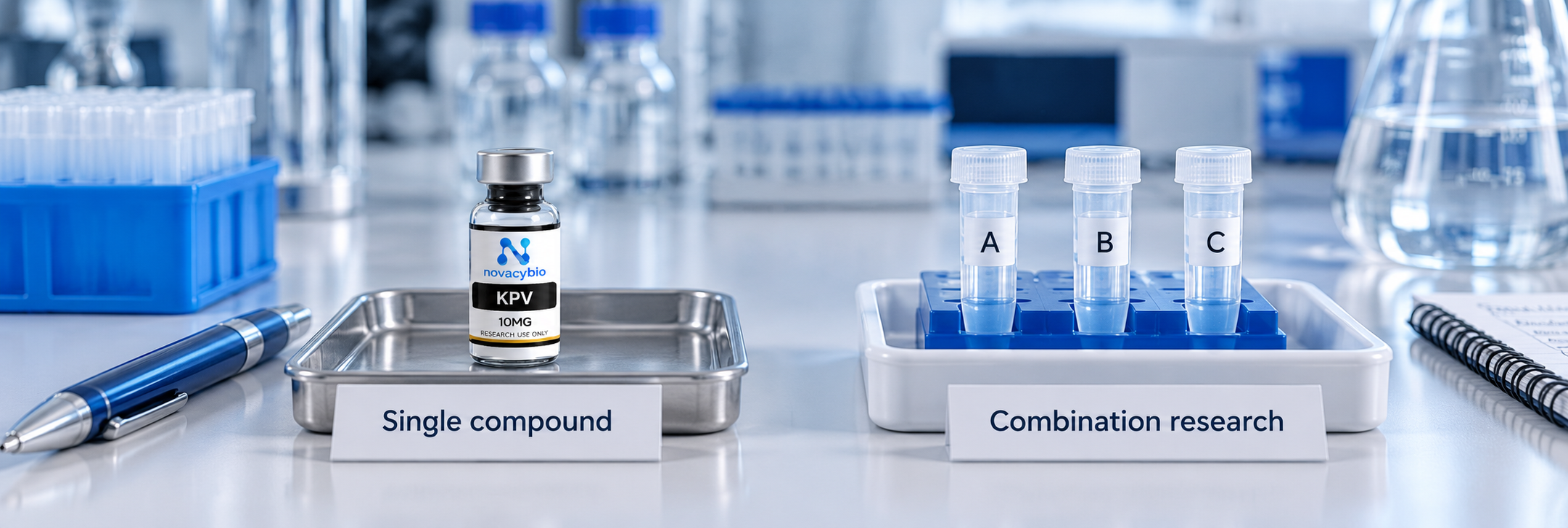
A single-component KPV material allows investigators to examine that peptide under defined conditions. A blend introduces additional ingredients and interactions.
Evidence about KPV alone does not establish that a combination will produce the same outcome. Evidence about KPV-loaded nanoparticles likewise does not validate an unrelated multi-peptide blend.
For a combination, the relevant questions are whether the actual ingredients, proportions, and formulation have been studied together. Adding KPV creates a different research material; it does not by itself demonstrate stronger or broader effects.
Frequently Asked Questions
What Are the Potential Benefits of KPV?
The most relevant findings include reduced inflammatory signaling, improved recovery in mouse intestinal inflammation models, and reduced oxidative and inflammatory injury in skin models.
Research on a KPV-containing nanoparticle formulation also supports further investigation of intestinal epithelial repair. See the evidence table for the distinctions.
Has KPV Been Studied in Humans?
Human-derived cells and excised human tissue have been used in laboratory studies.
No published human intervention trial establishing KPV’s clinical benefits was identified for this review. The FDA’s 2026 assessment similarly identified no human administration data. FDA review.
Is KPV the Same as BPC-157?
No. KPV and BPC-157 are different peptides with different sequences and research backgrounds.
Their appearance in the same product category or blend does not make them interchangeable.
Does Research on KPV Prove a KPV Blend Works?
No. A component study answers questions about the material and conditions tested.
A blend needs evidence relevant to its own composition and formulation before the same effects can be attributed to it.
What Remains Unknown About KPV?
Important questions include its effects in people, absorption and tissue exposure, long-term safety, and how chemical form or delivery changes its activity.
The absence of established adverse-effect rates does not demonstrate that KPV has no side effects.

Why KPV Is Worth Studying
KPV’s research appeal comes from specific positive observations: lower inflammatory signaling in cells, reduced intestinal inflammation and improved recovery in mice, and protection against pollutant-related injury in skin models.
These findings connect a short peptide sequence with measurable biological responses. They provide a basis for further work on inflammation, intestinal tissue recovery, and skin protection—and clear questions for future human research.
Explore Novacybio’s KPV research material specifications, or contact us for available product and batch documentation.
References
- Dalmasso G, et al. PepT1-mediated tripeptide KPV uptake reduces intestinal inflammation. Gastroenterology. 2008;134(1):166–178. doi:10.1053/j.gastro.2007.10.026.
- Kannengiesser K, et al. Melanocortin-derived tripeptide KPV has anti-inflammatory potential in murine models of inflammatory bowel disease. Inflammatory Bowel Diseases. 2008;14(3):324–331. doi:10.1002/ibd.20334.
- Sung J, et al. Lysine-Proline-Valine peptide mitigates fine dust-induced keratinocyte apoptosis and inflammation by regulating oxidative stress and modulating the MAPK/NF-κB pathway. Tissue and Cell. 2025;95:102837. doi:10.1016/j.tice.2025.102837.
- Getting SJ, Schiöth HB, Perretti M. Dissection of the anti-inflammatory effect of the core and C-terminal (KPV) alpha-melanocyte-stimulating hormone peptides. Journal of Pharmacology and Experimental Therapeutics. 2003;306(2):631–637. doi:10.1124/jpet.103.051623.
- Xiao B, et al. Orally Targeted Delivery of Tripeptide KPV via Hyaluronic Acid-Functionalized Nanoparticles Efficiently Alleviates Ulcerative Colitis. Molecular Therapy. 2017;25(7):1628–1640. doi:10.1016/j.ymthe.2016.11.020.
- Pawar K, et al. Transdermal Iontophoretic Delivery of Lysine-Proline-Valine (KPV) Peptide Across Microporated Human Skin. Journal of Pharmaceutical Sciences. 2017.
- U.S. Food and Drug Administration. FDA Briefing Document: Evaluation of KPV-Related Bulk Drug Substances (KPV (Free Base) and KPV Acetate). Pharmacy Compounding Advisory Committee meeting, July 23–24, 2026.