
Blog
SS-31 Peptide: From Forzinity’s FDA Approval to Potential Benefits


On September 19, 2025, the FDA granted accelerated approval to Forzinity (elamipretide) to improve muscle strength in adults and children with Barth syndrome weighing at least 30 kg. Elamipretide is also known in research as SS-31, connecting the approval to a peptide long studied for its effects on mitochondria. FDA approval announcement.
That milestone provides a starting point for understanding SS-31’s appeal. Researchers have reported improved mitochondrial energy production, protection against certain forms of oxidative damage, and better muscle performance in specific experimental settings.
What do those findings mean? This article explains the potential SS-31 benefits, the mechanisms behind them, and how the experimental results compare with human evidence.
What Is SS-31?
SS-31 is a synthetic peptide containing four amino acid residues. It is described as a mitochondria-targeted peptide because of its interaction with the inner mitochondrial membrane.
Three names commonly appear in discussions of this compound:
| Name | What it means |
|---|---|
| SS-31 | A research designation used in scientific literature. |
| Elamipretide | The drug’s nonproprietary name. |
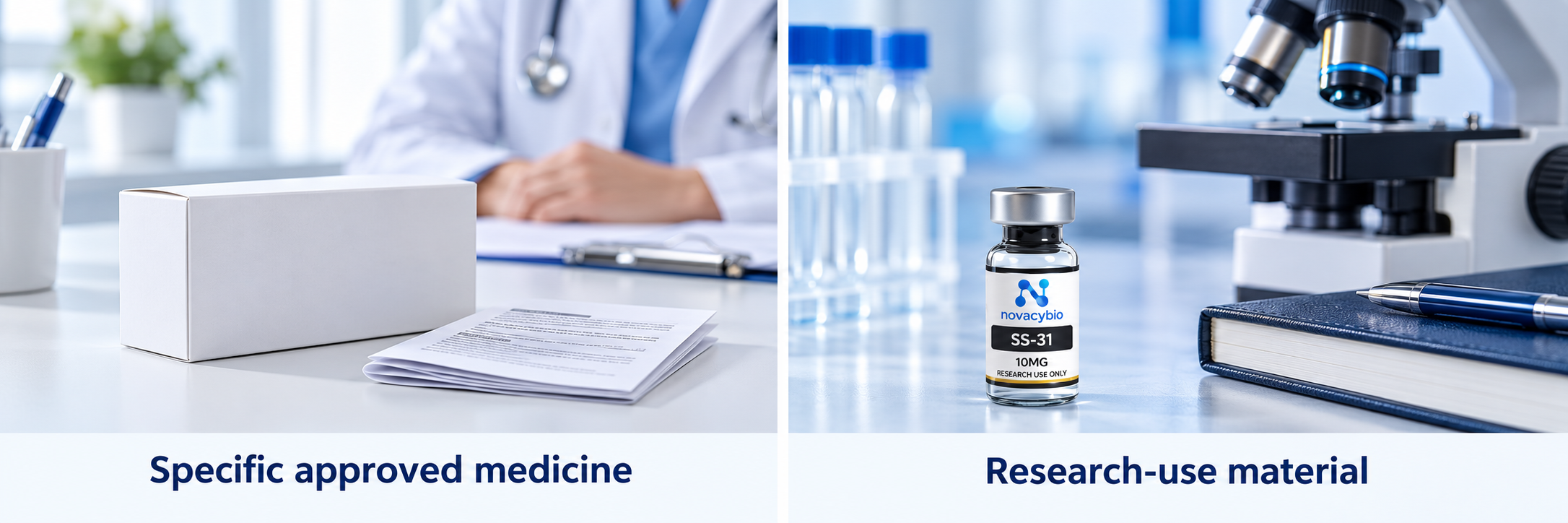
| Forzinity | A specific FDA-approved medicine containing elamipretide. |
The names are related, but the product identity matters. A research material labeled SS-31 does not automatically share Forzinity’s formulation, quality controls, or approved uses. Forzinity prescribing information.
How Does SS-31 Work?
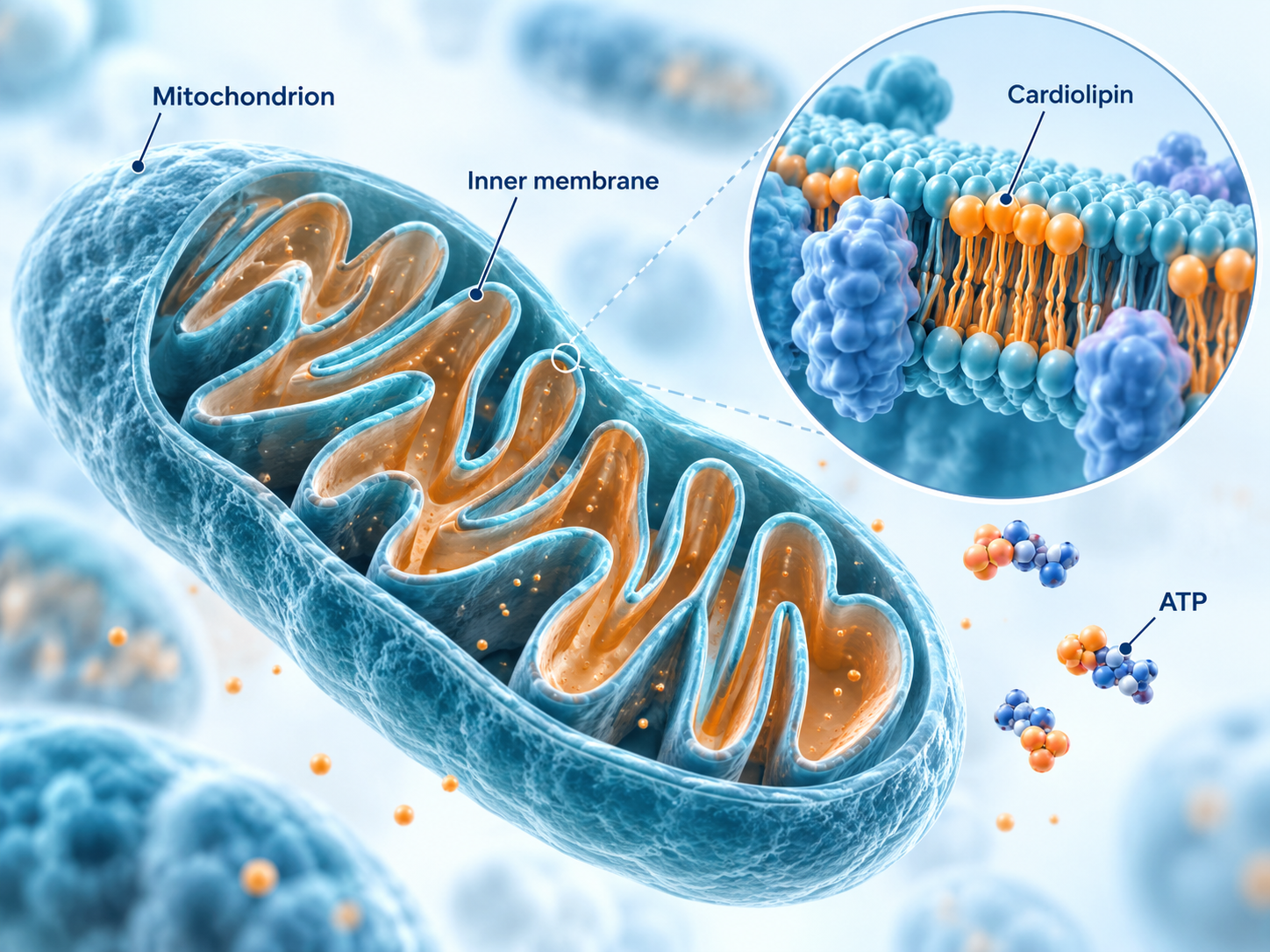
Mitochondria produce ATP, an energy-carrying molecule that powers many cellular activities. Much of this production depends on proteins organized within the inner mitochondrial membrane.
A lipid called cardiolipin helps maintain that environment. SS-31 interacts with cardiolipin and influences its relationship with cytochrome c, a protein involved in electron transport.
Laboratory experiments found that SS-31 preserved cytochrome c’s electron-transfer function while inhibiting an activity that can damage cardiolipin through oxidation. This helps explain why researchers study SS-31 in connection with both energy production and mitochondrial protection. Original mechanism study.
Potential Benefits of SS-31
1. Improved Mitochondrial Energy Production in Experimental Models
One of SS-31’s most compelling research findings is improved mitochondrial energy handling.
In aged mice, researchers observed improvements in maximum ATP-production capacity and the efficiency with which oxygen consumption supported ATP production. These changes occurred in living muscle, connecting mitochondrial measurements to an intact biological system.
The same study found no comparable improvement in young muscle, suggesting that the starting condition of the mitochondria matters.
Why it matters: These findings support investigating whether impaired energy production can be improved by modifying mitochondrial function. Aged-mouse energy and muscle study.
2. Protection Against Certain Forms of Oxidative Damage
Oxidative damage can interfere with the membrane environment needed for efficient energy production.
In laboratory systems, SS-31 inhibited the cardiolipin-oxidizing activity associated with the cytochrome c–cardiolipin complex while preserving electron transfer.
Why it matters: This connects protection of a mitochondrial membrane component with preservation of an energy-producing process. It provides a more specific explanation of SS-31’s potential than the broad description “antioxidant.” Cardiolipin research.
3. Preservation of Mitochondrial Structure and Faster Energy Recovery
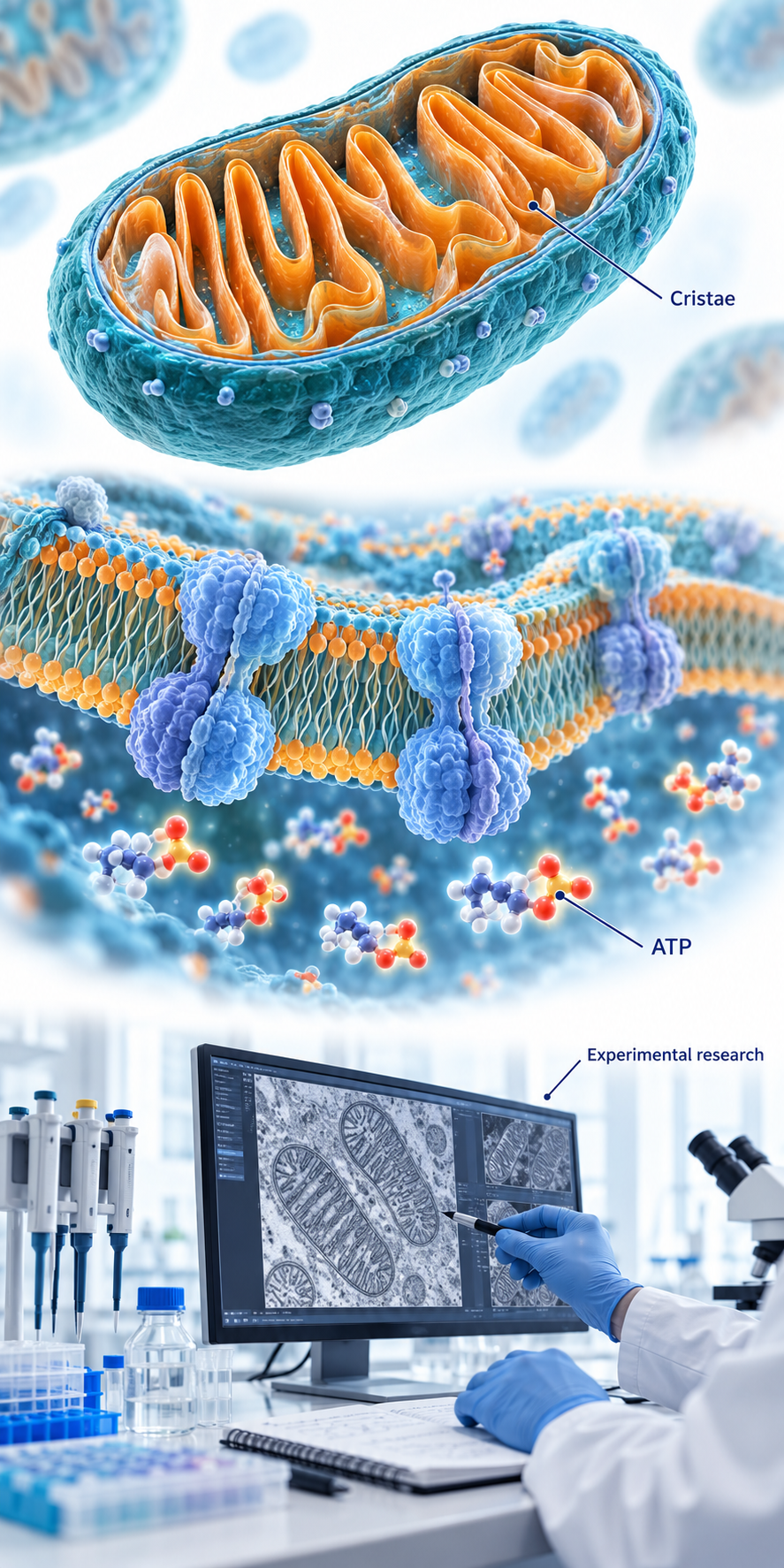
The inner mitochondrial membrane forms folds called cristae. These structures help organize the machinery responsible for ATP production.
In a rat kidney ischemia model, SS-31 pretreatment preserved cristae and reduced mitochondrial swelling when blood supply was interrupted. After blood flow returned, ATP recovered more rapidly, alongside recovery of energy-dependent cellular processes and reduced kidney dysfunction.
Why it matters: The experiment linked structural protection with energy recovery and tissue function. This makes SS-31 relevant to research on how mitochondria respond to injury and stress.
These findings concern a defined animal injury model rather than routine post-workout recovery. Original ischemia study.
4. Better Muscle Fatigue Resistance and Endurance in Aged Mice
Some SS-31 studies have measured functional performance alongside mitochondrial changes.
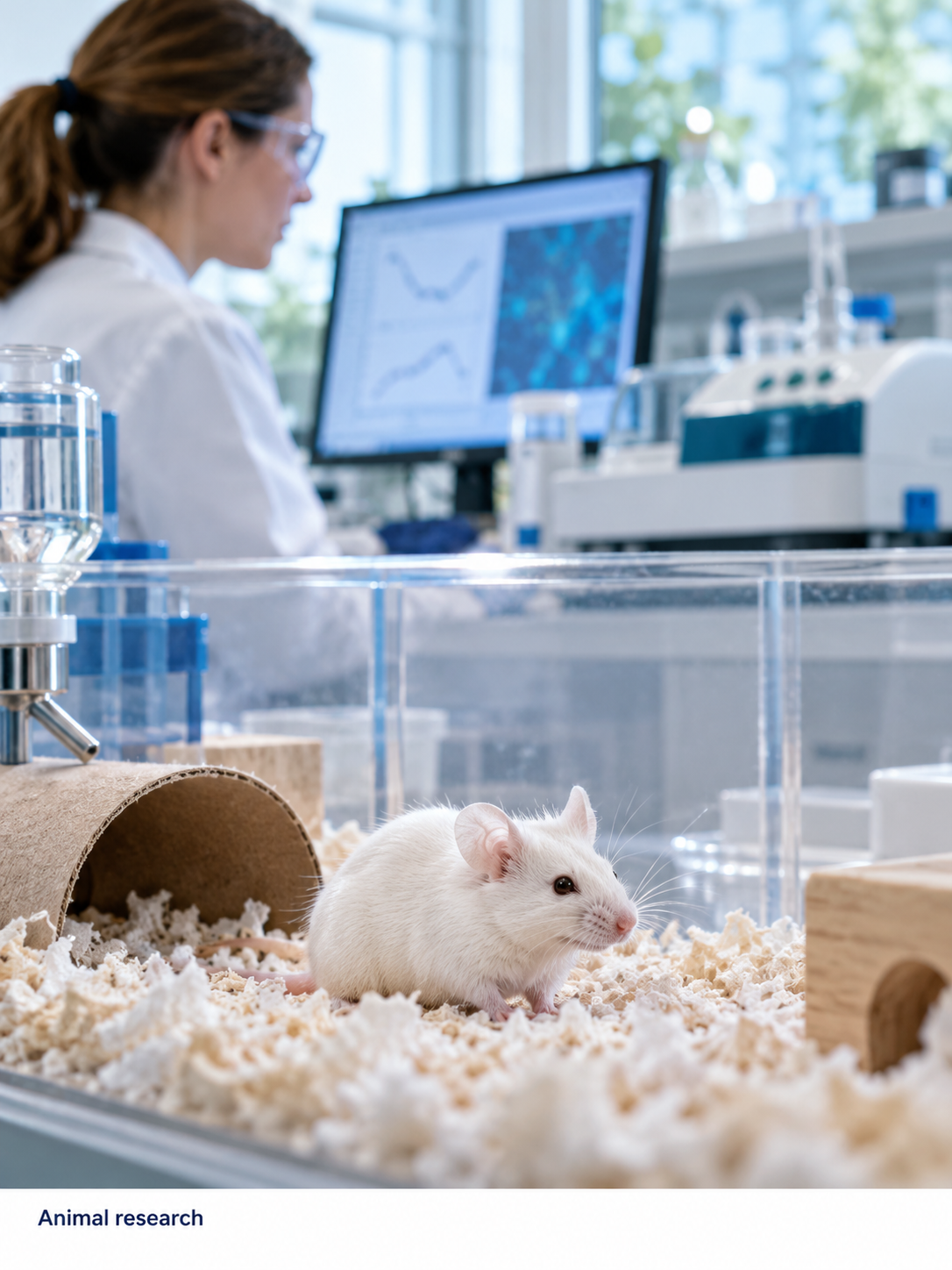
A study in aged mice reported improved mitochondrial ATP-production capacity, changes toward a less oxidized cellular environment, greater muscle fatigue resistance, and increased treadmill endurance.
Why it matters: These results connect cellular changes with a measurable physical outcome. That connection helps explain the interest in SS-31 for research into age-related declines in muscle performance.
The finding is an animal result; its importance is that it establishes a testable link between mitochondrial function and physical capacity. Muscle function and endurance study.

5. Muscle-Strength Improvement in a Defined Patient Population
SS-31’s clinical development provides a human example of its potential value.
In Barth syndrome, increased knee extensor muscle strength was observed during longer-term open-label treatment with elamipretide. These muscles help straighten the knee, making their strength relevant to physical function.
This improvement supported Forzinity’s accelerated approval. The FDA considered it reasonably likely to predict patient benefit, while requiring further confirmation.
Why it matters: It provides a specific human finding connected to a clinically relevant function. The finding applies to the studied disease population and medicine. FDA trial summary.

What Do Human Studies Show?
Barth Syndrome: Encouraging Longer-Term Findings
The initial randomized crossover trial enrolled 12 participants with Barth syndrome. It did not demonstrate superiority over placebo on the primary walking-distance and fatigue endpoints during the randomized phase.
Improvements were reported during the subsequent open-label extension. Original clinical trial.
A later publication reported that 10 participants entered the extension and eight reached the week-168 visit. Walking distance improved compared with the extension baseline, and average fatigue scores remained below baseline throughout follow-up.
These observations are encouraging, but the small sample and absence of a concurrent placebo group limit certainty about treatment effects. Long-term extension results.
Older Adults: A Short-Term Energy-Production Signal
A randomized trial studied 39 adults aged 60–85, selected because testing showed reduced mitochondrial function.
After a single administration of elamipretide, investigators observed a short-term signal of increased maximum ATP-production capacity in a hand muscle. Percentage change reached statistical significance, while absolute change narrowly missed it.
The between-group difference was absent at day seven, and the prespecified muscle fatigue-resistance measure did not significantly improve.
The study suggests that a measurable aspect of mitochondrial function can be modified in selected older adults. It does not establish lasting improvements in daily energy or physical performance. Older-adult randomized trial.
Primary Mitochondrial Myopathy: An Important Negative Result
The larger MMPOWER-3 trial randomized 218 participants with primary mitochondrial myopathy.
After 24 weeks, elamipretide did not significantly improve six-minute walking distance or fatigue compared with placebo on the primary measures.
This result shows why potential benefits must be matched to the population studied. A relevant mitochondrial mechanism does not guarantee improvement across every mitochondrial condition. MMPOWER-3 trial.


What Does SS-31 FDA Approval Mean?
The phrase “SS-31 FDA approval” refers to Forzinity’s approval for its labeled Barth syndrome population.
The accelerated approval was based on knee extensor muscle strength, an intermediate clinical endpoint. The FDA required a randomized, double-blind, placebo-controlled confirmatory trial to verify clinical benefit.
Approval is an important milestone in elamipretide’s development. Its scope does not automatically extend to general fatigue, anti-aging, athletic recovery, or SS-31 products sold as research materials. FDA explanation.
SS-31 Research Evidence at a Glance

| Potential benefit | Evidence setting | Positive finding | What remains uncertain |
|---|---|---|---|
| Improved energy production | Aged-mouse studies | Improved ATP-production capacity and energy efficiency | Whether this produces sustained benefits across human populations |
| Reduced oxidative damage | Laboratory systems | Inhibition of cardiolipin-oxidizing activity | How this translates into clinical outcomes |
| Mitochondrial protection | Rat kidney ischemia model | Preserved cristae and faster ATP recovery | Applicability beyond the injury model |
| Greater fatigue resistance and endurance | Aged mice | Improved muscle fatigue resistance and treadmill performance | Whether similar functional benefits occur in people |
| Improved muscle strength | Barth syndrome clinical development | Longer-term knee extensor strength gains | Confirmation of clinical benefit in a controlled trial |
| Improved energy capacity in older adults | Small randomized human trial | Short-term ATP-capacity signal | Duration and impact on daily function |
Sources: energy research, mechanistic study, injury model, endurance research, FDA summary, and older-adult trial.
Frequently Asked Questions
What Are the Main Potential Benefits of SS-31?
The main areas supported by experimental findings include mitochondrial energy production, protection against certain oxidative processes, preservation of mitochondrial structure, and muscle performance.
The evidence ranges from laboratory and animal experiments to human studies in defined populations, as outlined in the evidence table.
Can SS-31 Improve Energy or Fatigue?
Some studies show positive energy-production measurements and fatigue-related observations. However, results differ across populations, and the larger primary mitochondrial myopathy trial did not demonstrate a fatigue benefit.
Current evidence does not establish SS-31 as a treatment for ordinary tiredness.
Has SS-31 Been Proven to Reverse Aging?
No. Animal research has shown improvements in some age-related mitochondrial and muscle-function deficits.
Those results do not establish reversed human aging or longer human lifespan.
How Is SS-31 Different From MOTS-c?
SS-31 is a synthetic tetrapeptide investigated for its interaction with mitochondrial cardiolipin.
MOTS-c is a mitochondria-derived peptide studied in metabolic signaling, including pathways involving AMPK, a cellular energy sensor. They have different molecular identities and research backgrounds. Original MOTS-c study.
Is There Evidence for Using SS-31 Before MOTS-c?
The studies reviewed here do not establish a clinically validated sequence for SS-31 and MOTS-c.
Descriptions such as “repair first, activate later” remain hypotheses rather than demonstrated human treatment strategies.
Does Feeling Worse Mean SS-31 Is Working?
No. Feeling unwell is not a validated marker of mitochondrial improvement.
Research assesses defined physiological and clinical outcomes. Symptoms alone cannot establish that a beneficial repair process is occurring.
Does Forzinity’s Approval Cover Research-Use SS-31 Vials?
No. Approval applies to the specific medicine under its approved conditions of use.
A research vial does not acquire that status because it uses the name SS-31 or elamipretide.


Safety and Research Context
Forzinity’s prescribing information identifies injection-site reactions—including redness, pain, itching, and swelling—as common adverse reactions. It also warns about hypersensitivity, including serious reactions, and benzyl alcohol toxicity in neonates.
These data concern the medicine and populations studied. They do not establish the purity, sterility, or safety of other materials labeled SS-31. Research-use materials are not intended for self-treatment. Official prescribing information.
Why SS-31 Continues to Attract Research Interest
SS-31’s appeal comes from concrete findings: improved energy production in experimental models, protection of mitochondrial structure under stress, better muscle performance in aged animals, and a specific muscle-strength finding in Barth syndrome.
Together, these results provide a basis for further research into how mitochondrial function influences physical performance and responses to injury. The next step is determining which effects translate into reliable, lasting benefits in clearly defined human populations.
Explore Novacybio’s SS-31 research material specifications, or contact us for available product and batch documentation.