
Blog
12 Common Peptides Explained: Types, Research Uses, and Key Differences



Semaglutide, GHK-Cu, BPC-157, MOTS-c—the names often appear in the same product catalogs, yet the biology behind them is very different.
Some peptides interact with hormone receptors involved in appetite and metabolism. Others attract attention through skin research, tissue-injury experiments, or studies of mitochondrial function. Even two peptides discussed for the same broad purpose may address different biological questions.
So, what are peptides used for, and where should a new reader begin?
This guide organizes 12 common names by research interest, explains one representative finding for each, and highlights the distinction most useful to remember.
One product distinction matters throughout: a prescription medicine, a finished cosmetic, and a research material are different products. Evidence for a particular preparation does not automatically establish the performance of everything sold under the same molecular name.
Types of Peptides: Why There Is More Than One Way to Classify Them

There are several useful ways to understand types of peptides.
By origin: Some occur naturally in living organisms. Others are synthetic designs. Researchers can also synthesize versions of naturally occurring peptides, so “natural” and “synthetic” do not always describe different molecular sequences.
By biological role: Peptides may interact with receptors, participate in signaling, bind other molecules, or influence cellular processes. These activities help explain why different peptides appear in different research fields.
By product use: A peptide can be an ingredient in a particular medicine, a cosmetic formulation, or an experimental material. Product identity includes more than the ingredient name: formulation and intended application also matter.
Structure provides another classification, including chain length and chemical modifications.
This article mainly groups peptides by research focus. It is a practical navigation system, rather than a complete biochemical classification. The categories overlap, and their placement does not mean every material has demonstrated human benefits in that area.
What Are Peptides Used For? A Quick Guide to Common Names
| Research focus | Names covered | Start with this distinction |
|---|---|---|
| Weight and metabolism | Semaglutide, Tirzepatide, Retatrutide | Different receptor targets |
| Fat distribution and metabolism | Tesamorelin, AOD-9604 | Fat location versus fat utilization |
| Skin appearance | GHK-Cu, SNAP-8 | Skin-matrix biology versus expression-line research |
| Tissue protection and recovery | BPC-157, TB-500 | Exact material and tissue model |
| Intestinal inflammation | KPV, plus related BPC-157 experiments | Inflammation, healing, and barrier function |
| Mitochondrial biology | SS-31, MOTS-c | Membrane-associated function versus metabolic signaling |
Use the table to find a name, then follow the evidence attached to it. A category is an introduction to the research—not a recommendation based on personal symptoms.
Peptides in Weight and Metabolic Research
These three names are frequently compared because their development programs involve metabolic disease and body weight. Their receptor activity provides the first distinction; clinical outcomes require a separate comparison.

1. Semaglutide — GLP-1 Signaling
Semaglutide activates the glucagon-like peptide-1 receptor, usually shortened to GLP-1. This pathway connects nutrient-related signaling with processes including appetite regulation and glucose control.
Its clinical evidence explains much of the wider interest in peptide-based medicines. In the STEP 1 trial, 1,961 adults with overweight or obesity, without diabetes, received the tested pharmaceutical regimen or placebo alongside lifestyle intervention. Average body-weight change at 68 weeks was −14.9% versus −2.4%. [1]
The useful takeaway is its receptor-mediated role in metabolic regulation. Calling it simply a “fat-burning peptide” hides that biology.
Semaglutide is a molecular name; individual medicines containing it have their own formulations, indications, and prescribing information.
2. Tirzepatide — GIP and GLP-1 Signaling
Tirzepatide acts at GIP and GLP-1 receptors. Unlike semaglutide’s GLP-1-focused approach, it combines activity at two hormone-receptor targets within one molecule.
In SURMOUNT-1, 2,539 adults with obesity, or overweight with a weight-related complication, excluding diabetes, participated in a 72-week randomized trial. Mean weight reductions across the tested tirzepatide groups ranged from 15.0% to 20.9%, compared with 3.1% for placebo. [2]
These findings make tirzepatide important in metabolic drug development. However, receptor count alone is not a performance score.
When comparing it with another compound, distinguish the mechanism from the actual clinical comparison: populations, treatment regimens, duration, and statistical analyses can all differ.
3. Retatrutide — A Triple-Receptor Research Approach
Retatrutide activates GIP, GLP-1, and glucagon receptors. Adding glucagon-receptor activity introduces another pathway relevant to metabolic regulation.
Published Phase 3 TRIUMPH-2 results involved 1,152 adults with overweight or obesity and type 2 diabetes. At 80 weeks, the highest studied group showed 18.8% mean weight reduction versus 5.1% with placebo, using the treatment-regimen analysis. [3]
Status checked October 29, 2026: Lilly’s October 28 update described retatrutide as investigational and not approved by the FDA or another regulatory organization. Its newer announcement reported additional Phase 3 topline findings, which should be distinguished from fully published results. [4]
The next useful question is how the extra receptor pathway changes outcomes—not whether “three” automatically means better than “two.”
Fat Distribution and Fat Metabolism Are Different Questions
A change in body weight does not reveal exactly which tissue changed. Likewise, releasing stored fat does not establish that the body oxidized it or ultimately lost fat mass.
4. Tesamorelin — Visceral Fat Research
Tesamorelin is a growth hormone–releasing hormone analogue. It stimulates a hormone-signaling pathway rather than acting like a GLP-1 receptor agonist.
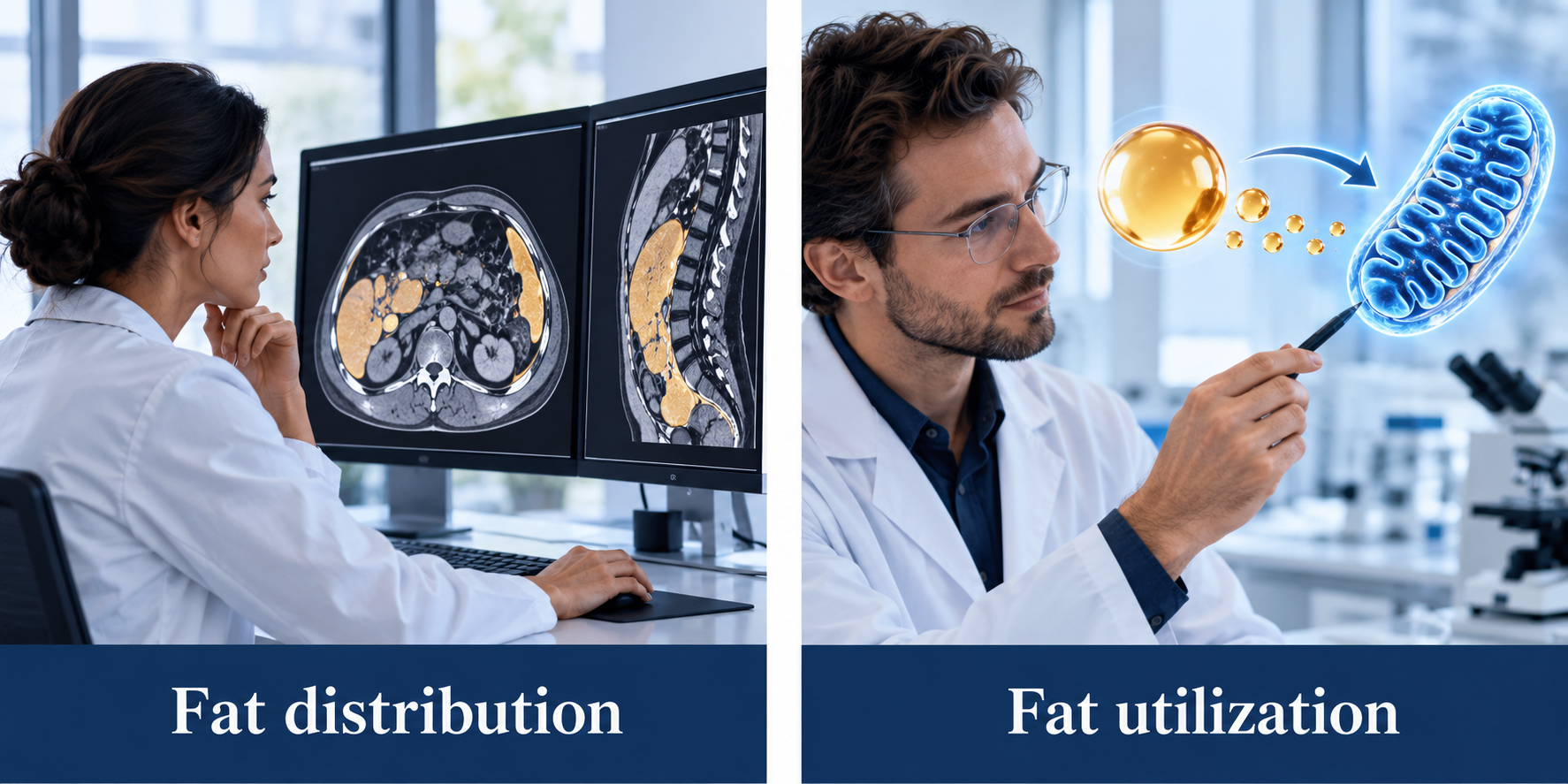
Its distinctive research focus is visceral fat: fat within the abdominal cavity around internal organs. This differs from subcutaneous fat beneath the skin.
A 26-week randomized study of 412 people with HIV and abdominal fat accumulation used CT imaging to assess visceral adipose tissue. Visceral fat decreased by 15.2% with tesamorelin, compared with a 5.0% increase with placebo. Subcutaneous fat did not show the same pattern. [5]
That makes fat distribution the key point to remember. The result concerns a specific tissue compartment and population, rather than a universal reduction in all forms of abdominal fat.
5. AOD-9604 — Fat Mobilization and Utilization
AOD-9604 was developed from a modified region related to the C-terminal portion of human growth hormone. Its research appeal concerns lipid metabolism rather than the full range of growth hormone activity.
A mouse study reported reduced body weight and body fat after repeated experimental administration. It also investigated lipolytic sensitivity and found increased fat oxidation and energy expenditure under particular acute experimental conditions. [6]
These observations did not establish corresponding human weight-loss benefits. FDA’s review describes a larger human obesity program that failed to demonstrate the intended weight-loss effect. [7]
AOD-9604 therefore illustrates an important distinction: fat mobilization, oxidation, and sustained changes in body fat are separate measurements.
Peptides for Skin: Different Ingredients, Different Research Interests
Skincare discussions often group peptides together as anti-aging ingredients. A more useful approach asks which process was investigated and whether the evidence concerns an ingredient or an entire formula.
6. GHK-Cu — Copper Peptides and Skin Biology
GHK-Cu is a copper complex of the tripeptide glycyl-histidyl-lysine. In cosmetic ingredient terminology, it is commonly associated with Copper Tripeptide-1.
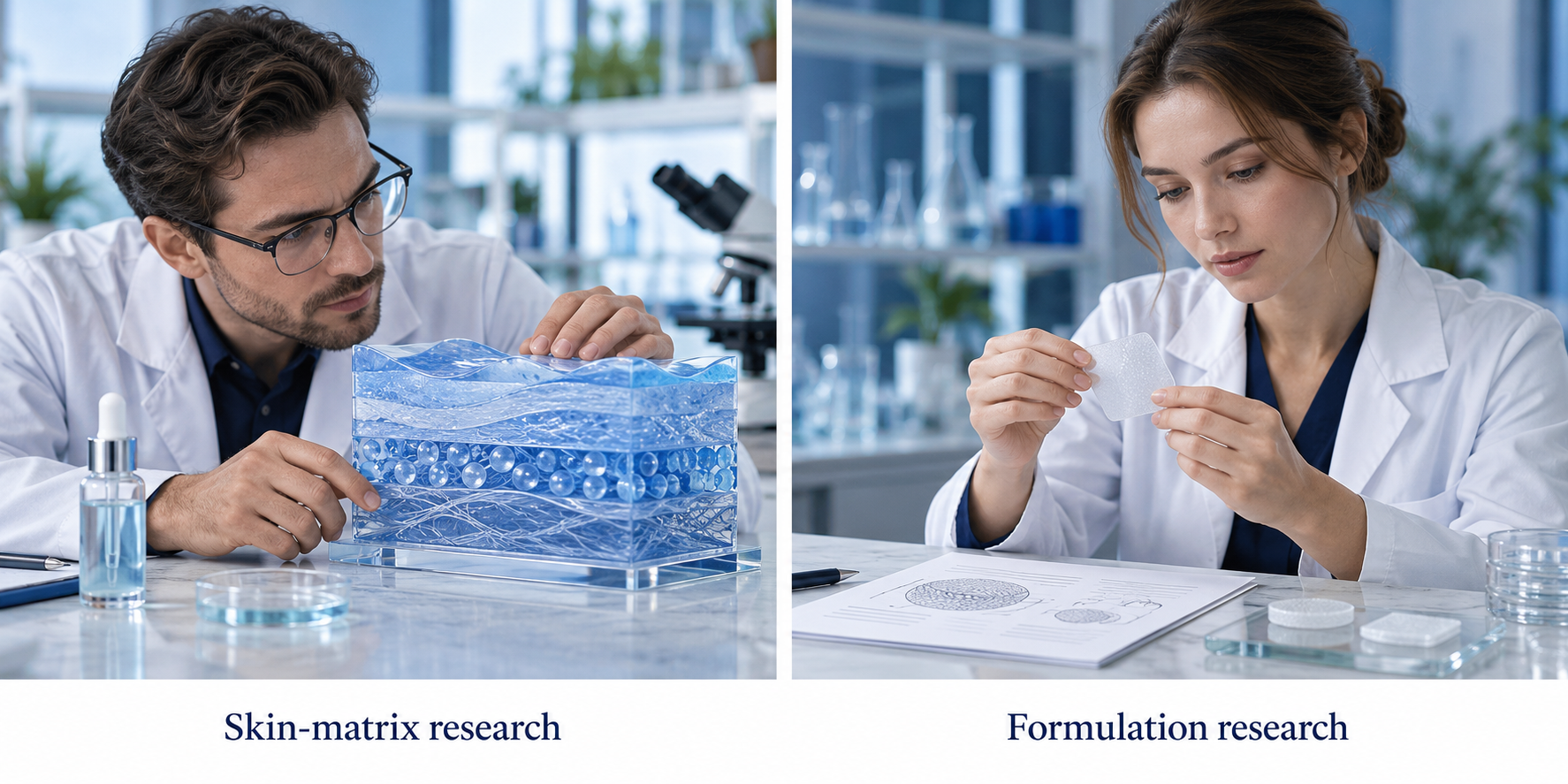
Its research background includes extracellular-matrix biology—the network of molecules surrounding cells and contributing to tissue structure.
An original laboratory study reported that GHK-Cu stimulated collagen synthesis in cultured fibroblasts, without the increase being explained by a change in cell number. [8]
This gives a concrete reason for interest in skin biology. It does not, by itself, predict how much a finished serum will change wrinkles or skin firmness.
For further evaluation, keep three identities separate: the peptide complex, the supplied ingredient preparation, and the complete skincare formula.
7. SNAP-8 — Expression-Line Research
SNAP-8 is a trade name commonly associated with Acetyl Octapeptide-3. Its development concept concerns signaling involved in expression-related lines.
One published study evaluated a dissolving patch containing Acetyl Octapeptide-3, hyaluronic acid, and other active ingredients in 24 participants. Over 28 days, the active multi-ingredient patch showed greater eye-wrinkle improvement than a hyaluronic-acid-only comparator. [9]
The positive finding belongs to that tested formulation; it does not isolate the peptide’s contribution.
“Botox-like” describes a marketing comparison and mechanistic theme, not the same material or proven equivalent results. Compared with GHK-Cu’s matrix-related research, SNAP-8 introduces a different starting point for wrinkle-focused product development.
Peptides Discussed in Tissue-Protection and Recovery Research
“Recovery” can refer to many outcomes, from tissue appearance to mechanical strength. The relevant question is what recovered, in which model, and how researchers measured it.
8. BPC-157 — Tissue-Related Research
BPC-157 is a 15-amino-acid peptide investigated in gastrointestinal and other tissue-injury models.
In a rat intestinal-anastomosis study, researchers examined recovery where two sections of the small intestine had been surgically joined. They reported improved tissue-healing observations and greater resistance to leakage compared with saline controls. Assessments included histology and mechanical testing over the first 14 days. [10]
This combination of structural and functional measurements explains its relevance to tissue-recovery research.
It also helps explain why BPC-157 appears in both gastrointestinal and broader recovery discussions. However, an intestinal surgical model cannot stand in for evidence about a different tissue, everyday discomfort, or an athletic injury.
9. TB-500 — Understanding the Material Behind the Name
TB-500 requires particular attention to identity.
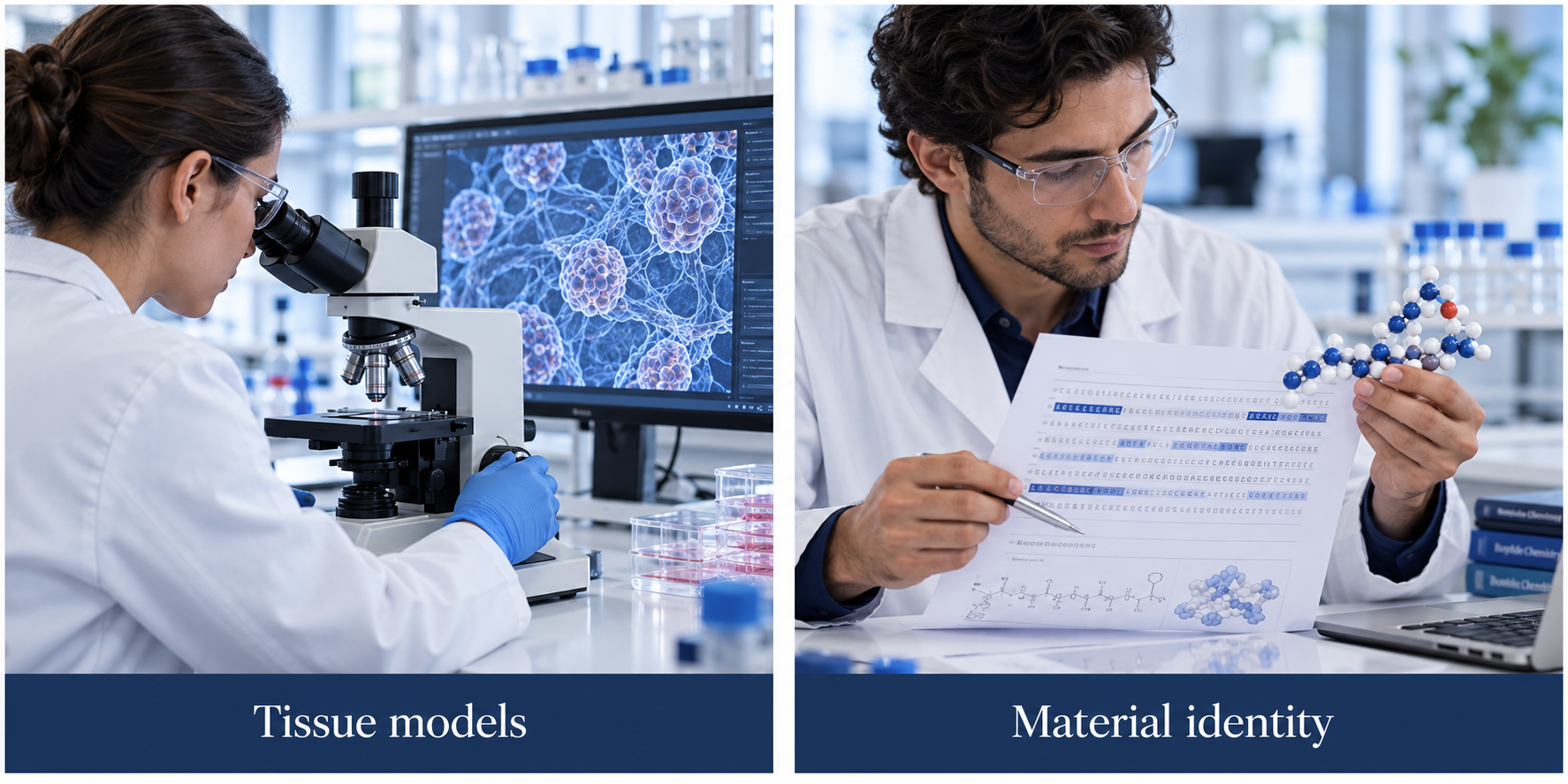
FDA scientific materials describe TB-500 as N-acetyl-LKKTETQ, a seven-amino-acid fragment related to thymosin beta-4. Full-length thymosin beta-4 is a different, 43-amino-acid peptide. Their shared sequence background helps explain why the names appear together in tissue-repair discussions. [11]
That relationship does not make their findings interchangeable. The same FDA review describes a scratch-assay experiment in which the specified TB-500 fragment did not promote closure in cultured fibroblasts.
For this name, the useful first step is establishing the sequence and modifications of the actual material. A listing labeled “TB-500” should not automatically inherit every recovery finding reported for full-length thymosin beta-4.
Peptides in Gut-Related Research
Intestinal inflammation, tissue injury, and barrier function interact, but they are different research endpoints. KPV provides an example of a peptide studied through cellular signaling and experimental inflammation.
10. KPV — Inflammatory Signaling and Intestinal Models
KPV contains lysine, proline, and valine.
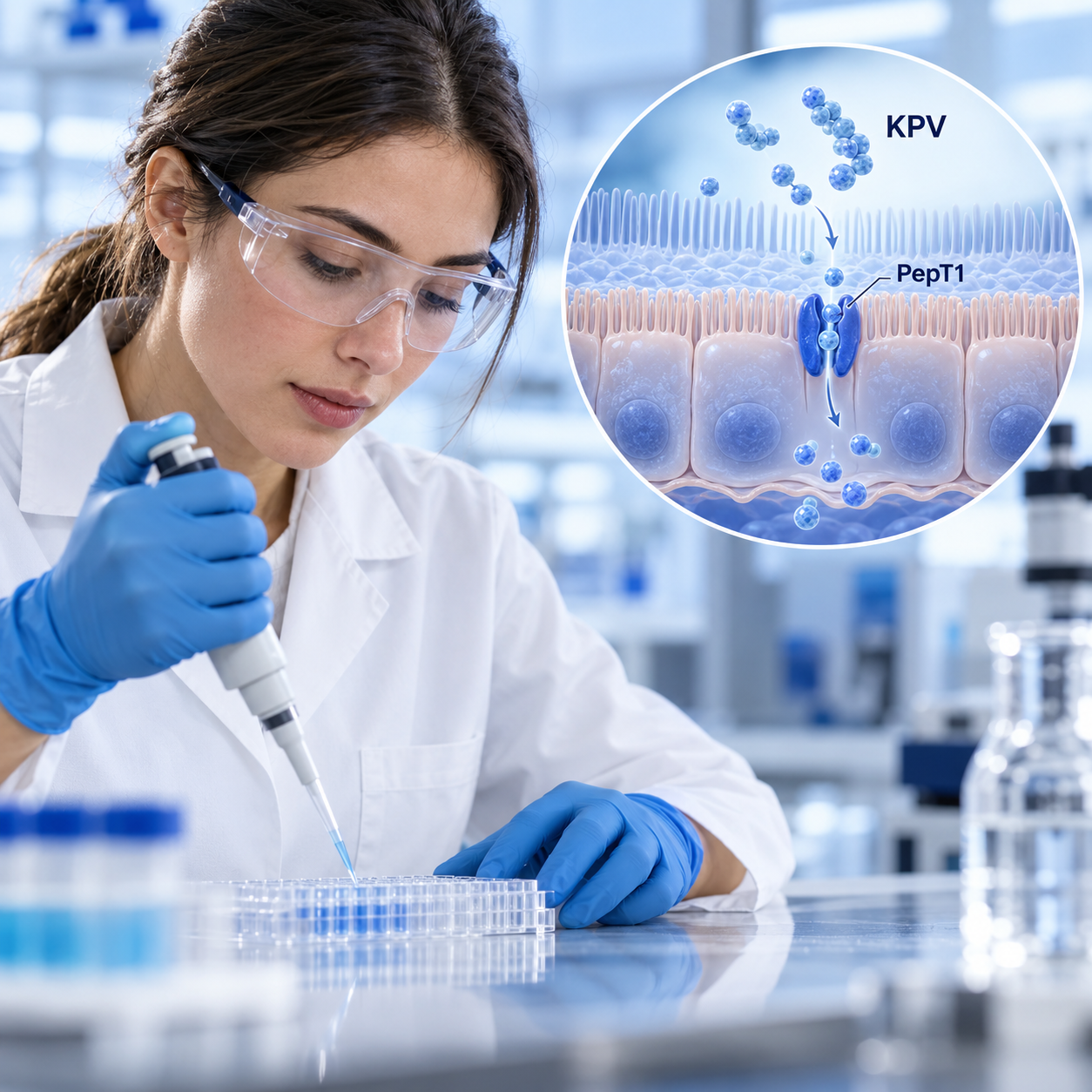
An original study found that the small-peptide transporter PepT1 carried KPV into intestinal and immune-cell models. Researchers observed reduced activity in NF-κB and MAPK inflammatory pathways and lower production of inflammatory mediators.
The same paper reported reduced inflammation in chemically induced mouse colitis, assessed through tissue findings and inflammatory measurements. [12]
These results explain the interest in intestinal inflammatory signaling. They do not establish effectiveness for every symptom described as a gut problem.
KPV and BPC-157 are discussed together because their experimental interests overlap around injured and inflamed tissue. Separate findings do not demonstrate that a combination works better.
Mitochondrial Peptides: Understanding Energy-Related Research
Searches for peptides for energy often combine different questions: ATP production, metabolic adaptation, muscle performance, and the feeling of being more energetic.
These outcomes should be separated. A cellular measurement can identify a promising biological effect without establishing a noticeable benefit in healthy people.
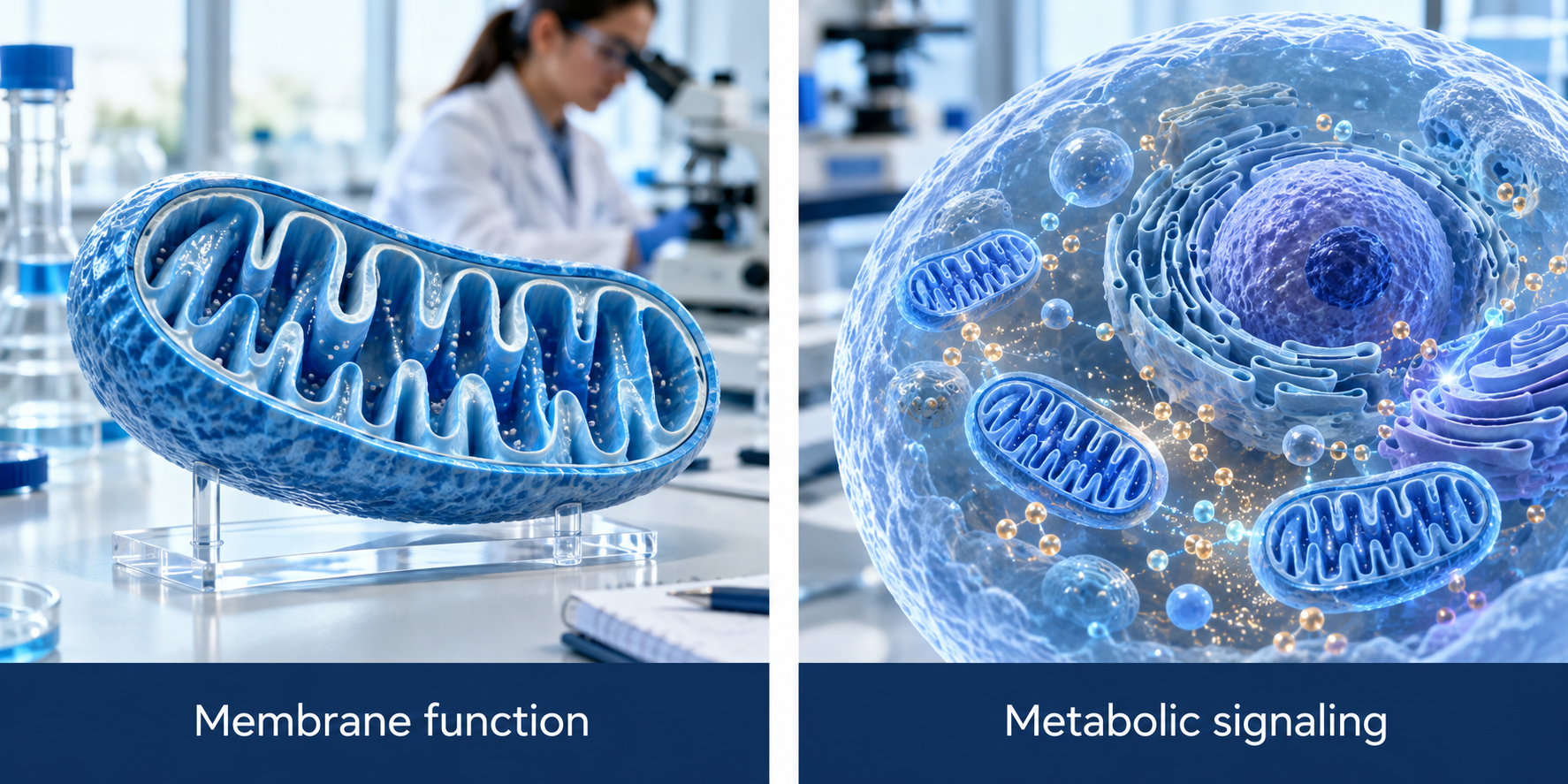
11. SS-31 — Mitochondrial Membrane Research
SS-31, also known as elamipretide, is a synthetic peptide studied for interactions with cardiolipin in the inner mitochondrial membrane.
This membrane contains machinery involved in energy production. Investigating its organization and function gives SS-31 a defined research focus.
Its pharmaceutical development has reached a specific clinical use: in September 2025, the FDA granted accelerated approval to Forzinity, an elamipretide medicine, for patients with Barth syndrome weighing at least 30 kg. The approval was based on improved knee-extensor strength, with confirmation of clinical benefit required. [13]
That is an important development milestone. It applies to the approved medicine and conditions—not every research material bearing the SS-31 name.
12. MOTS-c — Metabolic Signaling and Adaptation
MOTS-c is a mitochondrial-derived signaling peptide investigated in metabolism, cellular stress responses, and physical function.
A 2021 study reported improved physical performance in young, middle-aged, and old mice receiving MOTS-c. It also examined muscle metabolism and cellular adaptation. In the human part of the research, exercise changed naturally occurring MOTS-c in muscle and circulation. [14]
These are different forms of evidence: measuring the body’s own peptide after exercise is not the same as demonstrating benefits from administering synthetic material.
Compared with SS-31’s membrane-associated research, MOTS-c emphasizes signaling and adaptation. That distinction makes both interesting without establishing that they are interchangeable or should be used in a particular sequence.
How Do Peptides Work—and How Should You Read Peptide Benefits?
There is no single mechanism shared by everything in this guide. Receptor activation, molecular binding, transport into cells, and changes in signaling are different biological processes.
To interpret peptide benefits, ask four questions:
- What was studied? A cell system, an animal model, or a defined human population?
- What changed? A biological marker, tissue structure, body composition, or practical function?
- Which material was tested? The exact peptide, a modified analogue, a pharmaceutical preparation, or a multi-ingredient formula?
- Under what conditions? Consider the comparator, duration, and experimental setting.
These questions connect an appealing claim to a specific finding. They also make comparisons more useful: a percentage change in body weight, wrinkle depth, and an inflammatory marker cannot be treated as equivalent measures of effectiveness.
Frequently Asked Questions

What Are the Main Types of Peptides?
Peptides can be classified by origin, structure, biological function, and product application. This guide uses research interests to organize common names. A peptide may belong in more than one group, so the categories should help navigation rather than imply a fixed, exclusive use.
Why Is the Same Peptide Discussed for Different Purposes?
A biological pathway can operate in several tissues, giving researchers reasons to investigate more than one setting. However, evidence must remain attached to each proposed application. A positive result in one tissue or disease model does not establish an equivalent benefit elsewhere.
Are More Peptides in a Blend Necessarily Better?
No. Ingredient count does not establish better performance. A combination introduces questions about interactions, stability, exposure, and outcomes. Evidence for each ingredient can motivate a combined study, but it cannot replace testing of the actual blend.
Are NAD+ and SLU-PP-332 Peptides?
Neither is a peptide.
NAD+ is nicotinamide adenine dinucleotide, a coenzyme involved in cellular reactions. SLU-PP-332 is a synthetic small-molecule estrogen-related receptor agonist investigated in metabolic and exercise-related experiments. A shared catalog category does not change molecular identity. [15], [16]
How Can I Learn More About a Specific Peptide?
Begin with the dedicated evidence article, then check the original research and official information for any medicine discussed. For material evaluation, match the molecular identity and supplied form to your intended project. This is particularly important when a familiar commercial name covers different preparations.
Start with the Research Question
Common peptide names become easier to understand when each is connected to a clear question: appetite signaling, fat distribution, skin appearance, tissue recovery, intestinal inflammation, or mitochondrial function.
The most useful next step is to choose the outcome you want to understand and follow the evidence for that specific material. This supports clearer reading, better development discussions, and more informed purchasing decisions.
Explore Novacybio’s research material catalog, or contact us to discuss available specifications and commercial procurement requirements.
References
- Original STEP 1 study.
- Original SURMOUNT-1 study. PubMed PMID 35658024.
- Original TRIUMPH-2 study. PubMed PMID 42810372.
- Latest sponsor update.
- Original 26-week study.
- Original animal study. PubMed PMID 11713213.
- FDA evidence review.
- Original fibroblast study. PubMed PMID 3169264.
- Original patch study. PubMed PMID 39082657.
- Original intestinal-healing study.
- FDA scientific materials.
- Original KPV study.
- FDA approval announcement.
- Original exercise and aging study.
- NAD reference.
- original SLU-PP-332 research.